
Fatigue & vigilance
Drowsiness and drops in attention at the wheel or at work, tracked second by second.
Pilot programme · November – December 2026
Nox Science is working with three companies on this question: 8 to 10 days of work offered, in exchange for being able to communicate about our collaboration.
3 places · Paris and Lille
Human factors
Human factors is the study of how people behave with a product or a system. It lets you:
What we offer
Drowsiness and drops in attention at the wheel or at work, tracked second by second.
Products, spaces and everyday objects: how comfort changes over time, through posture, physiological signals and what people report.
Sounds, scents and ambiences compared on the body's response, not only on what people say.
Whether we record it or you already have it: we analyse the data and tell you what it shows.
Have representative users handle your prototype or your sensor, spot use errors and propose fixes. Assess reliability, comfort and acceptability in real conditions.
Analyse the tasks and possible errors on a medical device, following the approach expected for CE marking (IEC 62366-1).
We adapt to your product, your equipment and your data, or we bring our own measurement equipment. You leave with a tailored protocol, a short report with prioritised recommendations and the raw data, and an oral debrief with your team.
Who it is for
We work on site in Paris and Lille, and remotely elsewhere when the mission allows.
How it works
A 30-minute call: we understand your product and your question, and check together that the pilot makes sense for you.
A document that sets the scope and the confidentiality (NDA).
8 to 10 days of work spread over 4 to 6 weeks, with a weekly check-in.
Results and recommendations, then, as agreed together, a case study.
Who we are
We work across the whole chain: observing users in the field, measuring with rigour, analysing the data, and drawing concrete recommendations from it.
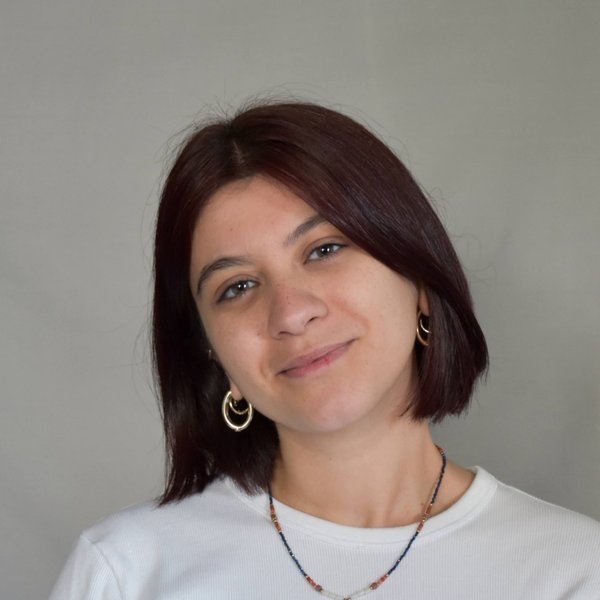
Brain, senses, attention and stress.
Specialised in measuring how people perceive smells, sounds and spaces, through brain activity and eye movements.
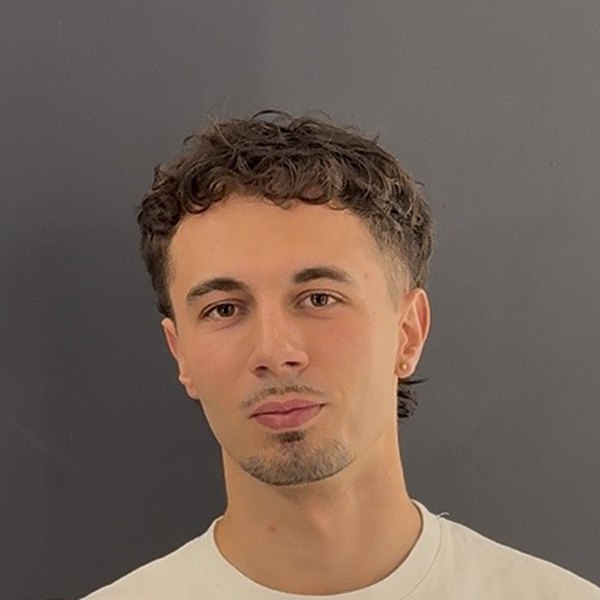
Body, workload, fatigue and performance.
Specialised in measuring how people cope with demanding tasks and complex systems, through heart rate, breathing and movement.
Examples of our work
Here are two analyses run on open research data.
Case study 1 · Mobility
Eyes, heart or breathing: which signal tracks a driver’s fatigue best, checked against a sleep physician’s rating?
Case study 2 · Immersive experiences
Does your VR environment make your users feel the intended emotion?
Questions
We are launching Nox Science and building our first case studies with companies whose products interest us. In exchange, we ask to be able to communicate about the collaboration.
We want to communicate about our collaboration, while respecting confidentiality. You have the right to review and to veto any content, and everything is set out in a contract.
Yes. Non-public information is covered by a confidentiality clause (NDA) signed before the pilot starts, and the data of test participants is anonymised.
At least 1 hour a week of exchange with one person. Access to the product and to users, where applicable.
We can adapt to your product and your sensors, or use our own sensors and equipment. The protocol is defined together during the first call.
On site in Paris and Lille; elsewhere, remotely when the mission allows.
No. It can feed your process, but it does not replace the final validation of your file.
We can continue beyond the pilot, as a standard engagement.
Three places are open for this first session. Pick a slot: we ask you a few questions about your product and see together whether the pilot makes sense.
Prefer to write? contact@noxscience.com